Instead, improvement programs must be multidimensional and address factors such as those examined in this study. Rinse hands and arms thoroughly.

Which Hygiene Practice Is Required Of Food Service Workers Hand Washing Only Hand Face - Brainlycom
Food handlers need proper hygiene practices concerning cleanliness of hands and work clothes and correct methods of handling food and utensils.

Which hygiene practice is required of food service workers hand and arm. Many reported foodborne illness outbreaks originate in food service establishments (25), Hand washing and food safety why is hand washing important? All employees involved with food preparation must wash their hands and exposed portions of their arms with soap and water.
Wash before handling food and between raw food types (i.e. • use the hand washing sink • turn water to as hot as is comfortable for you. Wear clean clothing on the job.
Practices and support suggestions that food worker hand hygiene improvement requires more than food safety education. • moisten your hands and arms, apply soap. Most observational studies on food worker practices report whether a specific food preparation practice or regulation violation was ob served in food service establishments (1, 13, 18, 23).
When you're washing your hands, use soap and warm water—and don't stop at your hands! Hand washing is vital in preventing contamination of food by food handlers. Majority preferred hand washing with soap and water over hand rubbing with alcohol based solutions.
We have prepared sample policy language you can use to set expectations for hand washing in your establishment. To help keep the pathogens from spreading to food, you should wash your hands often. All food workers must wash their hands:
Hand sanitizer is not an alternative to hand washing and should never be used as such. Never wash hands in sinks designated for food prep, dishwashing or utility services. Be sure to clean under fingernails and between fingers.
• stand as close to sink as possible without letting your uniform touch the sink. Your hands contain millions of bacteria and viruses that can easily spread to food. Ration practices of food workers (3).
Always use a clean spoon. In addition, bathe before each shift to reduce the number of pathogens you carry. You must wash your hands twice:
They must also not smoke cigarettes while preparing or serving food or work in area while infected with any. Wash hands at the designated hand sink and always wash after using the restroom (this is a critical step to safer hands). Never smoke in food areas.
21% of hcws were missing hand hygiene opportunities 1 in 5 times. While preparing food, employees cannot wear jewelry on their arms and hands except for a plain ring such as a wedding band. Use running water as warm as you can comfortably stand.
Wash hands after coughing or sneezing. Do not eat or chew gum in food handling areas. Use warm running water and rinse for at least 10 seconds.
Food service workers are to always practice good personal hygiene by washing their hands properly with soap and water. Thorough hand washing is done by vigorously rubbing together the surfaces of lathered hands and arms for at least 20 seconds followed by a thorough rinse with clean water. Harmful bacteria such as e.
Once after washing them in the sink provided for. Norovirus) present on the hands of food workers are removed by proper hand washing techniques. Washing hair and bathing daily.
Serving safe food to customers is all in food workers’ hands. Doing these simple steps will help keep pathogens from coming with you to work. Do not use fingers to sample food.
Don’t cough, sneeze, spit or smoke near food and avoid touching your nose, teeth, ears and hair, or scratching when handling food. Hygiene requirements food handlers must: (this prohibition does not apply to a wristwatch if it is not in contact with food) additional employee hygiene includes:
The food and drug administration (fda) has developed this employee health and personal hygiene handbook to encourage practices and behaviors that can help prevent food employees from spreading. Scrub hands and arms vigorously. Uniforms, aprons (or clothes) should be clean at the beginning of a work shift.
Use enough to build up a good lather. Coli, salmonella and staphylococcus aureus and viruses (e.g. Do not cough or sneeze directly onto food.
Most likely, the first thing that comes to mind when you think of personal hygiene for food handlers is hand washing.
2
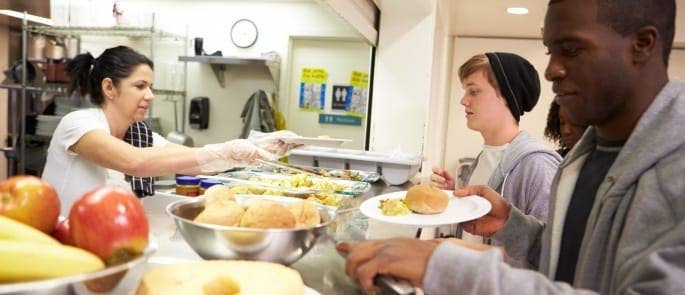
Personal Hygiene When Handling Food For Restaurant Staff

Personal Hygiene Training - Small Scale Food Processor
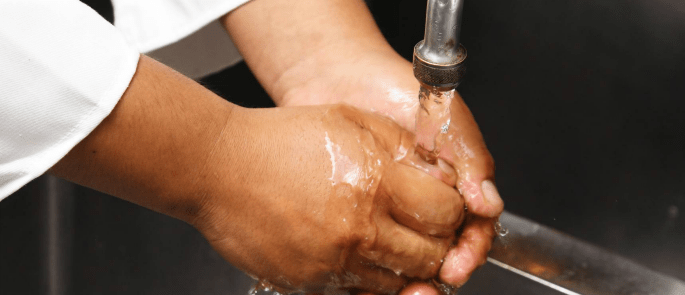
Personal Hygiene When Handling Food For Restaurant Staff
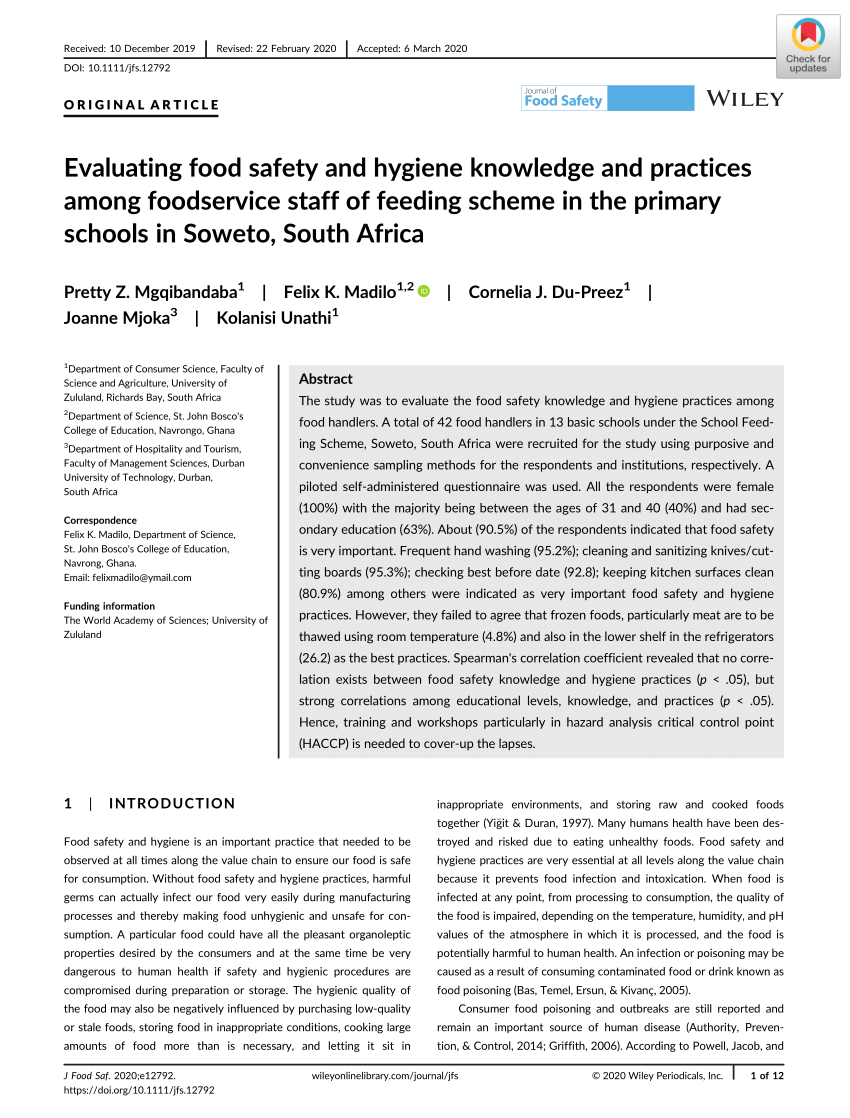
Pdf Evaluating Food Safety And Hygiene Knowledge And Practices Among Foodservice Staff Of Feeding Scheme In The Primary Schools In Soweto South Africa

Food Safety Part 1 Hygiene Sanitation Vls

Pdf An Assessment Of Hand Hygiene Practices Of Healthcare Workers Of A Semi-urban Teaching Hospital Using The Five Moments Of Hand Hygiene
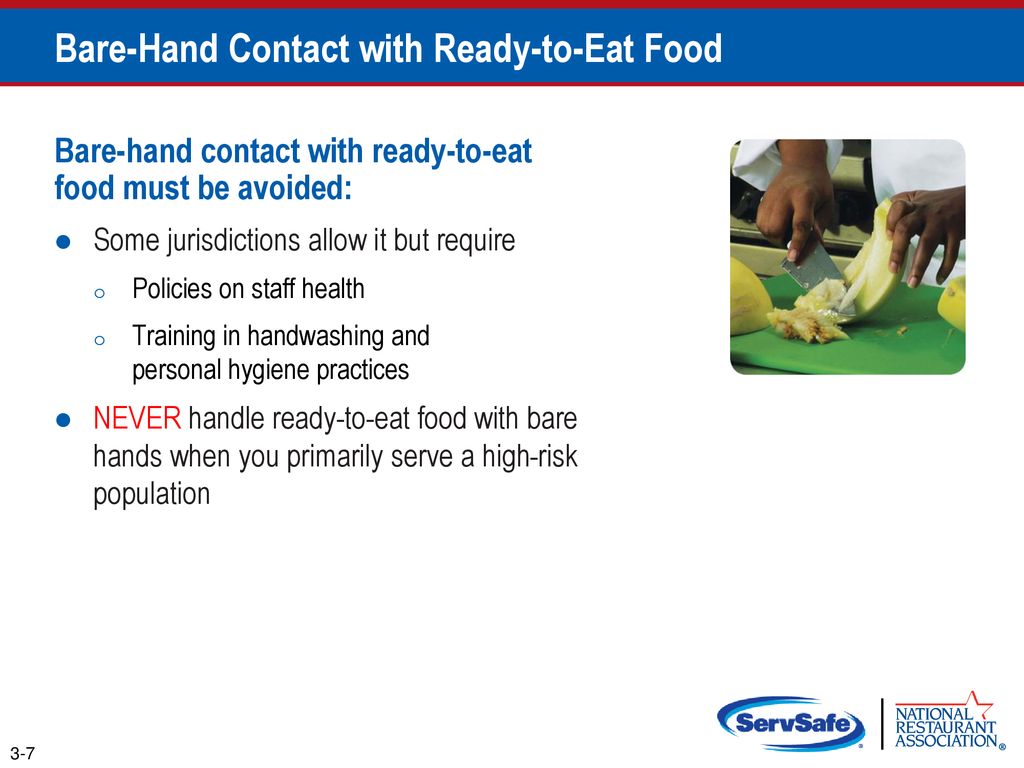
How Food Handlers Can Contaminate Food - Ppt Download
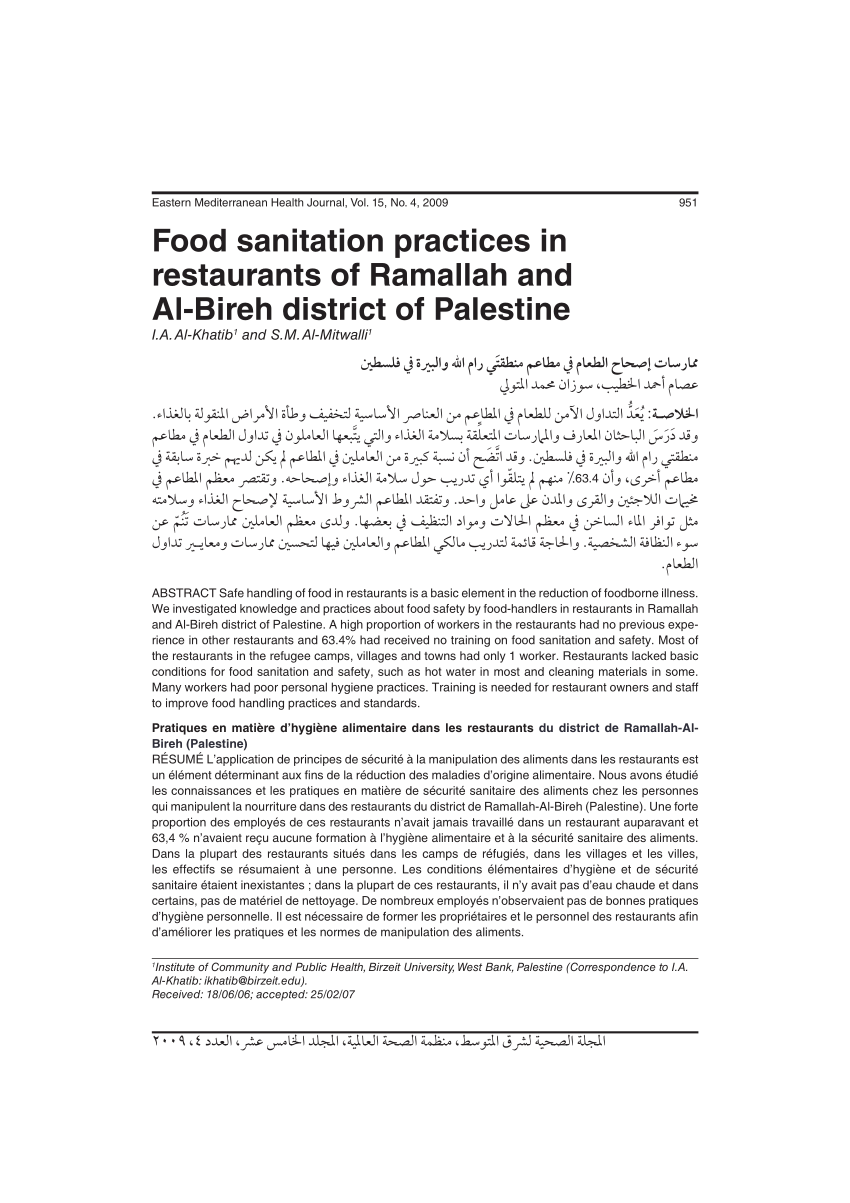
Pdf Food Sanitation Practices In Restaurants Of Ramallah And Al-bireh District Of Palestine

Food Safety Part 1 Hygiene Sanitation Vls

Basic Food Hygiene Quiz Questions Answers Practice Test

A Food Handlers Guide To Personal Hygiene

Pdf Prevention Of Food Worker Transmission Of Foodborne Pathogens Risk Assessment And Evaluation Of Effective Hygiene Intervention Strategies
Proper Hand Washing Policy For Restaurants Webstaurantstore

Food Safety Part 1 Hygiene Sanitation Vls

Food Safety Part 1 Hygiene Sanitation Vls

Which Hygiene Practice Is Required Of Food Service Workers Hand Washing Only Hand Face - Brainlycom
Pdf Hygienic Food Practice Among Food Workers In Jordanian Food Factories During Pandemic Crisis Covid-19comparative Study
2